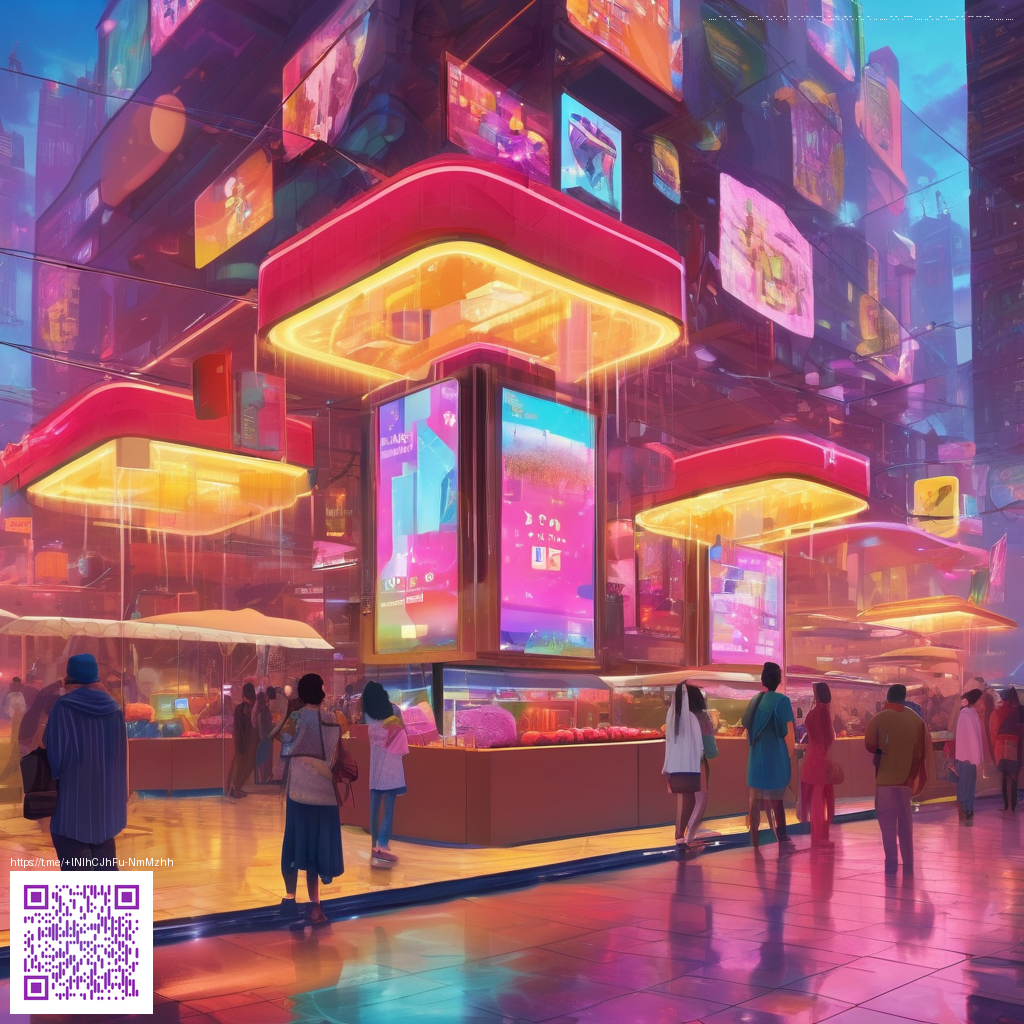
Bridging Two Digital Cultures
The online landscape has plenty of buzzing communities, but few clashes feel as tangible as the friction between core gamers and NFT flippers. On one side, players prize skill, competition, and a shared sense of fair play that rewards persistence and practice. On the other, NFT enthusiasts prioritize ownership rights, provenance, and the idea that digital scarcity can create value beyond any single game or platform. The result is a culture clash that’s less about technology and more about different ideas of what digital spaces should reward.
In gaming circles, progress is earned through mastery, teamwork, and consistent, visible effort. In the NFT world, value often emerges from scarcity, curation, and market dynamics that reward early participation and liquidity. When these worlds collide—think limited-edition in-game items sold as NFTs, or communities debating whether a collectible asset should confer real-world rights—the tension can feel personal. Some players worry that speculative markets dilute the social glue that makes gaming communities welcoming; others see NFTs as a legitimate evolution of digital ownership that could expand what players can own and trade.
For readers who want a tangible touchpoint, consider a practical gear upgrade that speaks to both sides of the debate. For example, a custom rectangular mouse pad (9.3x7.8in, white cloth, non-slip) can improve comfort during long sessions and streaming alike. It’s the kind of everyday tool that reminds us how small, well-made accessories support big, collaborative experiences—without leaning into hype. And for those curious about broader conversations online, a thoughtful discussion at https://umbra-images.zero-static.xyz/c72c1766.html offers a snapshot of how communities frame ownership, value, and access in this evolving space.
Where the values diverge—and where they overlap
At their cores, gamers and NFT flippers often share a love of tech, community, and storytelling. The divergence shows up in how they measure success and who gets to participate. Gamers tend to emphasize fairness, skill progression, and stable ecosystems where everyone can compete on a level playing field. NFT flippers, meanwhile, spotlight provenance, liquidity, and the potential to monetize digital artifacts beyond a single title or platform. Yet there are overlaps—both groups care deeply about product integrity, clear rules of engagement, and durable communities that reward contribution over noise.
“Gamers want clarity and fairness in how assets behave within a game, while collectors want transparent provenance and open pathways to value,” observes a longtime community moderator. “When both sides talk openly, they can design ecosystems that reward participation without inviting manipulation.”
Finding common ground
- Transparency: Clear rules around asset ownership, royalties, and interoperability help reduce misunderstandings on both sides.
- Utility-first design: Assets that deliver real in-game utility or community value tend to be more durable than purely speculative tokens.
- Accessible onboarding: Friendly, well-documented processes invite newcomers from both communities to participate responsibly.
- Community governance: Inclusive decision-making can align incentives and prevent situations where one group feels sidelined.
- Quality control: Curated drops, verified creators, and robust moderation protect the vibe of the spaces that matter most to players.
Brand teams and developers sit at an important crossroads. When designing products or experiences that touch both sides of the spectrum, it pays to default to governance and usability. These decisions influence everything from user interface clarity to long-term sustainability of a community economy. The goal isn’t to erase differences but to translate them into experiences that feel fair, engaging, and resilient over time.
For those who are curious about how these dynamics play out in real-world ecosystems, the interplay between productive collaboration and speculative impulse provides rich ground for experimentation. It’s not about choosing a side; it’s about building tools and narratives that honor both the craft of gaming and the evolving language of digital ownership.