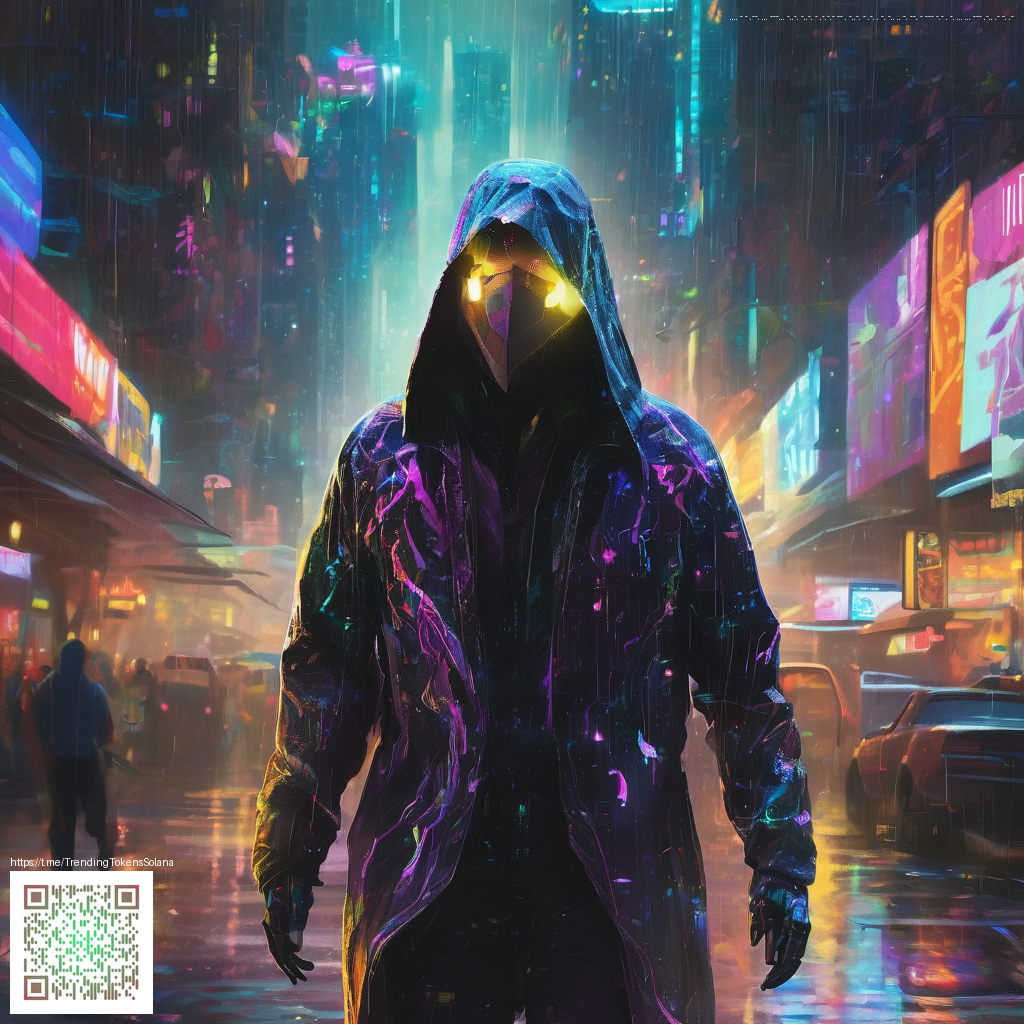
Inside Jump-Scare Mechanics: What Really Triggers the Fright
Jump scares aren’t just a loud sound followed by a scream. They’re a carefully orchestrated dance between anticipation, perception, and timing. In successful horror, the audience’s senses are primed—an unseen threat lingers in the background, while the foreground frame nudges you toward a moment of perception that snaps you to attention. That split-second exposure is where fear takes hold and lingers long after the screen goes quiet.
Central to this craft is timing. The difference between a gentle pause and a crushing moment often hinges on a single beat—the moment you expect relief but instead collide with a jolt. Think of the silence that hangs before a door creaks open or a shadow that briefly flickers on the wall. The brain fills in the gaps, and when the actual scare arrives, the mismatch between expectation and reality produces the strongest reaction. This is why some of the most memorable scares aren’t the loudest noises but the quietest preludes that make your skin crawl first.
Sound design is the co-pilot to visual misdirection. A sudden spike in volume, a clipped stinger, or a low, muscular rumble can all cue the mind to reinterpret ordinary cues as threat. Visual cues—rapid cuts, a blink-and-you-miss-it movement, or an off-screen glimpse that telegraphs danger without fully revealing it—work in concert with sound to amplify the impact. When both senses align in an unexpected way, your brain reprocesses the scene in real time, creating a jolt that you feel as much as you hear.
Framing and camera work play a pivotal role too. A scare seated just outside the frame leverages our natural tendency to search for what’s missing rather than what’s visible. Quick cuts can compress space, making a familiar hallway feel claustrophobic, while a long, lingering shot with a sudden movement can cause your attention to sprint toward a fleeting threat. In interactive media like games, the player’s own actions can intensify the moment—the moment you make a choice and the game responds with a sudden, unpredictable twist.
There’s also a psychological layer at work. Humans respond to danger with a mix of surprise and relief. A well-timed scare triggers an adrenaline surge, followed by the relief of knowing you’ve survived it. The best jump scares don’t just surprise you; they reward you with a brief sense of mastery—then remind you that fear can return at any moment. That cycle, repeated with varied rhythm, keeps audiences engaged without fatigue.
“The scariest moments often live in what the audience doesn’t see.”
When you analyze top jump-scare sequences across film, television, and interactive media, a common thread emerges: the disruption of predictability. Audiences crave the sensation of being in the loop while still being surprised. The more a scene builds a credible expectation and then undercuts it, the deeper the emotional imprint. That’s the essence of effective jump scares: a masterclass in misdirection, timing, and the art of not overdoing it.
From a practical perspective, creators balance frequency and intensity. A single, impeccably timed scare can land harder than a flurry of quick shocks. In longer-form horror, pacing matters just as much as the individual beat. The audience should feel a sustained thread of tension, punctuated by moments of release that reset the emotional bar, only to be raised again when a fresh cue arrives.
For readers who enjoy horror on the go, it’s worth noting how everyday devices can accompany the experience. If you’re planning late-night marathons or tense reads on your phone, a sturdy, reliable accessory can be a small but meaningful comfort. For instance, the Neon Card Holder Phone Case with MagSafe is designed to be impact resistant and keeps your device protected during long viewing sessions. Product page.
Understanding jump scares also offers a practical toolkit for creators and readers alike. Think in terms of setup, misdirection, and release. Consider how lighting, sound, camera placement, and the rhythm of edits converge to prime your senses for a moment that feels both sudden and inevitable. When these elements align, a viewer’s sense of fear becomes a shared experience—intense, personal, and memorable.