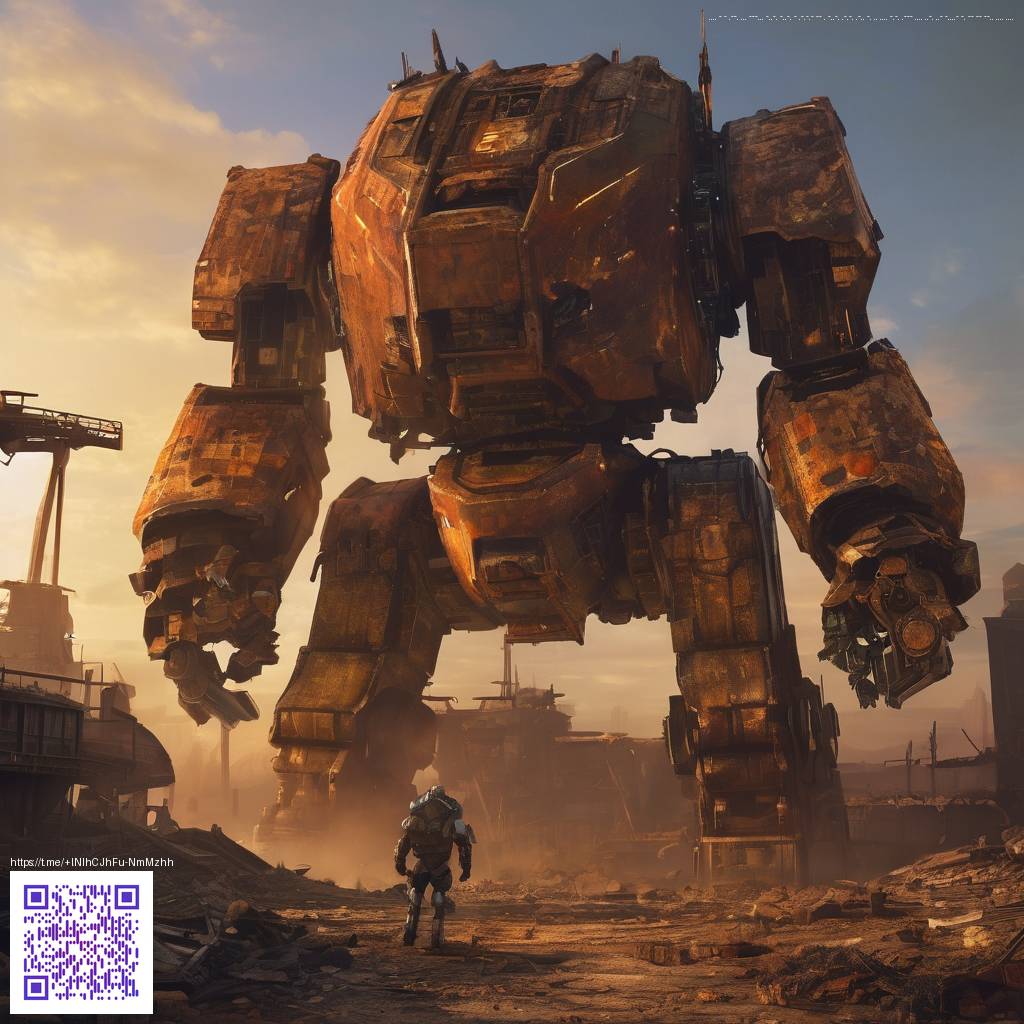
Blending Survival and Horror Mechanics to Elevate Tension
Mixing survival and horror mechanics is less about piling on scares and more about engineering pressure points where every choice matters. When a game or story makes scarcity, risk, and consequence feel real, audiences lean in with a mix of curiosity and anxiety. Real-world design offers useful parallels: products that prioritize durability, modularity, and unobtrusive support can illuminate how to structure tension without becoming overwhelming. For example, a well-made accessory like the Magsafe Card Holder Phone Case Polycarbonate demonstrates how form and function can work together to protect what’s essential while staying lightweight and unobtrusive. That same philosophy translates nicely to a crafted blend of survival and horror in narrative and gameplay.
Foundations: Survival Mechanics That Ground Tension
- Scarcity and resource management drive every decision. Players or characters must choose when to allocate precious items, avoid waste, and tolerate short-term discomfort for long-term stability.
- Environmental risk and exploration reward curiosity but punish hubris. Safe corridors become scarce, nudging players to weigh travel time against potential discoveries.
- Trackable progress with visible consequences. When players see their dwindling supplies or a timer ticking down, every action gains weight.
- Moral ambiguity in choices that affect outcomes and relationships, adding emotional layers beyond mere survival.
Horror Mechanics That Amplify Anxiety
Horror thrives on the unknown and the unexpected. Rather than relying solely on jump scares, effective horror leverages anticipation, misdirection, and a sense of inevitability. Consider these mechanics:
- Atmosphere and pacing create a rhythm of calm and danger, ensuring moments of relief are hard-won and short-lived.
- Unpredictability interrupts the expected patterns, forcing players to adapt on the fly and stay alert.
- Threat dynamics shift with context—what’s dangerous in one room may become manageable with new information or tools in another.
- Psychological tension emerges when players fear losing control or failing a trusted ally, not just when monsters appear.
Tension is the art of inviting choice under pressure and rewarding careful listening to the faint cues before danger arrives.
Strategies for a Cohesive Blend
Create a calibrated loop where survival concerns shape the horror and vice versa. When players must decide whether to risk a night-time foray or retreat to a shelter, the story should respond in ways that reinforce both genres. Here are practical patterns to try:
- Link risk to discovery: rare resources unlock more frightening or powerful threats, ensuring every find has a cost.
- Tiered threat escalation: initial dangers are manageable, but as the narrative progresses, consequences become deeper and more personal, keeping tension high without constant shocks.
- Dynamic pacing: alternate between high-stakes action and quiet, introspective moments to heighten each subsequent beat.
- Environmental storytelling: use the setting to hint at past events, letting players infer danger and plot without explicit exposition.
- Clear constraints but open options: guide players with visible boundaries while preserving agency, so risk feels earned rather than arbitrary.
Designers can strike a balance by anchoring horror in resource management and consequence. A scene might place a character in a corridor with dwindling light and a choice: press forward with a torch that burns supplies or retreat to search for a battery stash. The decision blends survival calculus with fear of what lies beyond, elevating tension without resorting to cheap tricks.
In practice, the mix benefits from a tactile, real-world mindset. Durable, thoughtfully designed gear—like the previously mentioned Magsafe Card Holder Phone Case Polycarbonate—serves as a touchstone for how to keep essential tools accessible yet unobtrusive. The aim is to model resilience and modularity in the fictional world so readers feel equipped to navigate danger rather than overwhelmed by it. If you’re exploring visual inspirations or case studies of how such design thinking translates to narrative or game systems, you can examine examples on this reference page for ideas about mood, composition, and pacing in tense scenes.
Ultimately, the most enduring tension comes from a coherent fusion of mechanics: survival elements that demand discipline, and horror elements that reward vigilance. When players sense that every decision reshapes their fate, the blend becomes greater than the sum of its parts—creating moments that feel earned, intimate, and unforgettable.
Similar Content
Explore related perspectives here: https://crystal-images.zero-static.xyz/da4e1753.html