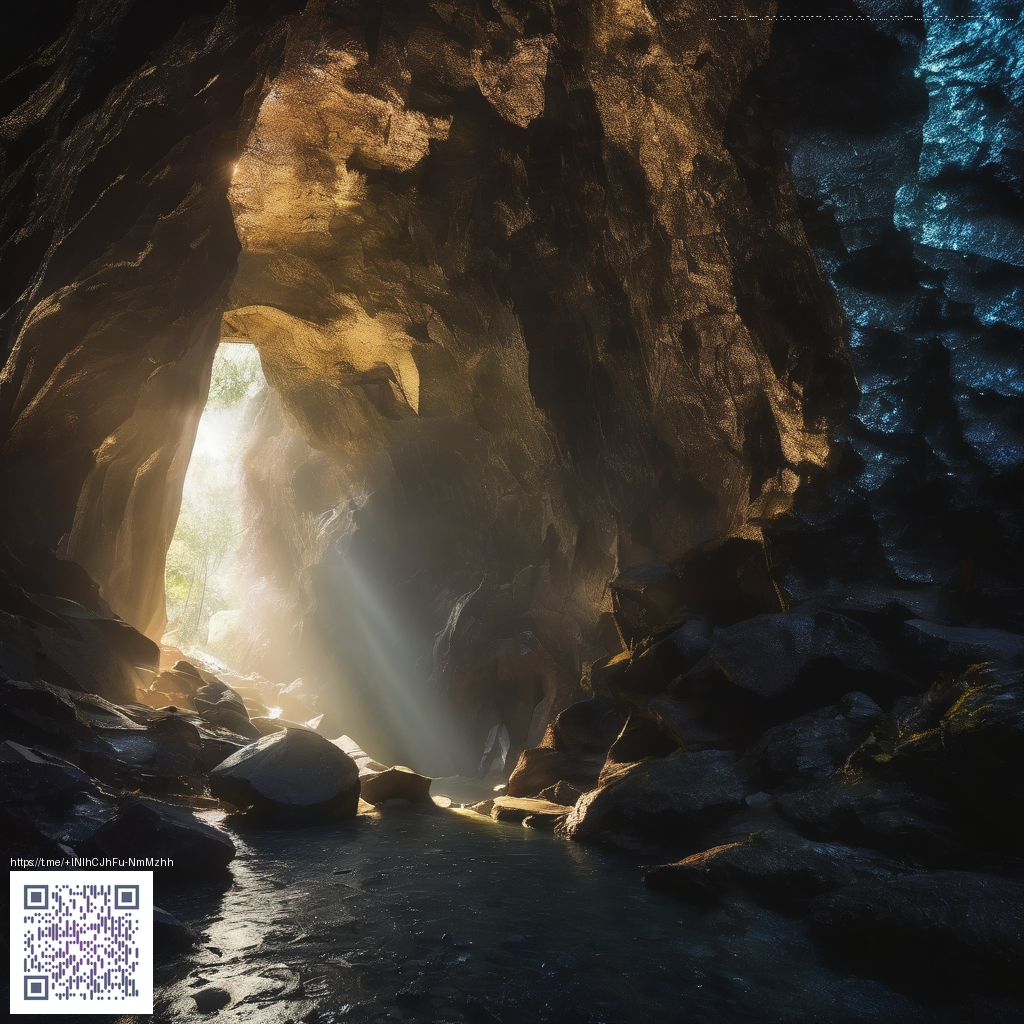
Foundations of Stealth: What Makes a Base Secure in Minecraft
When you’re building in Minecraft, the goal isn’t just to create something that looks impressive—it’s to craft a base that your enemies can’t easily find or break into. A stealthy, secure base blends into the landscape, offers practical redundancy, and keeps essential resources accessible without drawing attention. In practice, this means smart placement, considered lighting, and entrances that feel natural rather than obvious. Think about how a real-world fortress might disappear into a mountainside or how an underwater dome could remain virtually invisible from the surface. The best designs combine aesthetics with practical hiding spots and defensive features that you can extend as you expand your world.
“The strongest base is the one that behaves like part of the terrain—hard to spot, hard to breach, and easy to maintain.”
To keep your focus on the craft, it helps to have comfortable tools at the workstation. For instance, some builders invest in ergonomic peripherals such as a Foot-Shaped Ergonomic Memory Foam Mouse Pad with Wrist Rest. A comfortable setup can make long planning sessions feel less draining, letting you iterate base layouts with precision. If you’re exploring this topic deeply, you might also find related discussions here: https://horror-stories.zero-static.xyz/21727617.html.
Different base archetypes that balance stealth and security
Below are design archetypes you can adapt to your world, each with pros, cons, and practical build tips:
- Cliffside fortress: Carved into a sheer face, this design leverages sheer drops and overhangs to deter intruders. Use natural ledges and recessed doors to keep entries tucked away. Elevation adds a vantage point for early warnings and tactical responses.
- Mountain pillar stronghold: A vertical, column-like structure anchored in rock provides multiple levels of defense. Hidden staircases, inverted corridors, and a few decoy rooms make it harder for raiders to map your layout.
- Underwater dome: A submerged shelter with a conical or spherical exterior blends with water while preserving air pockets, farms, and storage inside. Proper lighting and airtight seals prevent visibility from hostile surface routes.
- Desert camo fortress: Immersed in dunes and sandstone, a desert fortress uses sandstone textures, shifting sand, and angled walls to break up silhouette. Concealed entrances behind rock alcoves keep attention away from the core vaults.
- Jungle canopy retreat: A tree-based fortress with interconnected branches and hanging bridges can be almost invisible from ground level. Camouflage netting and careful lighting reduce glow while keeping access convenient for your own crew.
Each archetype benefits from a few universal ideas: keep high-contrast lighting away from approaches, embed doors and halls within natural shapes, and use redundant pathways so you don’t get stuck if one route is compromised. The goal is to make your base feel organic rather than manufactured, so curious explorers don’t automatically search for obvious seams in the design.
Practical features that boost stealth and security
Beyond concept, the following features translate into real, in-world advantages:
- Camouflaged exteriors that mirror the surrounding biome or terrain to reduce contrast and draw attention away from the core. Use textures and blocks that blend with the landscape.
- Secret doors and hidden chambers activated by pressure plates, pistons, or redstone torches that appear as ordinary rock or furniture.
- Redundant entrances with decoy paths so you’re not locked out if one route is compromised.
- Lighting discipline avoiding bright, centralized glow; instead, employ low-intensity sources tucked into walls or floors to minimize exposure.
- Trap-free zones for valuables while keeping public farming or path-networks accessible. Separate the public-aesthetic areas from the secure vaults with layered defenses.
Remember, stealth isn’t about hiding everything all the time—it’s about controlling what others can see and how easily they can approach, explore, and disrupt your setup. A thoughtful balance of openness and concealment often yields the most resilient bases.
Comfort and productivity for builders
Building great bases requires sustained focus. Ergonomics, planning, and iteration speed up your progress just as much as strong design ideas do. After sketching a rough layout, test it in a safe world and refine the flow of spaces, ensuring that every entrance remains purposeful. If you’re documenting ideas, a reliable workspace improves your ability to translate sketches into blocks. The Foot-Shaped Ergonomic Memory Foam Mouse Pad with Wrist Rest is an example of the kind of comfort that supports long sessions of planning and adjustment. For further inspiration and practical layouts, you can explore related discussions at the linked page: https://horror-stories.zero-static.xyz/21727617.html.
Test you builds in multiple lighting conditions and terrain types to verify that visibility remains controlled and that your exterior hides what matters most—your base’s core hoard and redstone schematics. A modular approach helps: design a core vault, then layer in defense-friendly rooms, storage hubs, and farming bays that integrate with your primary concealment strategy.
Tip: document each iteration with screenshots and quick notes. Small changes to wall textures or entrance angles can have big effects on how secure your base feels and how easy it is to navigate when you’re alone or with friends.