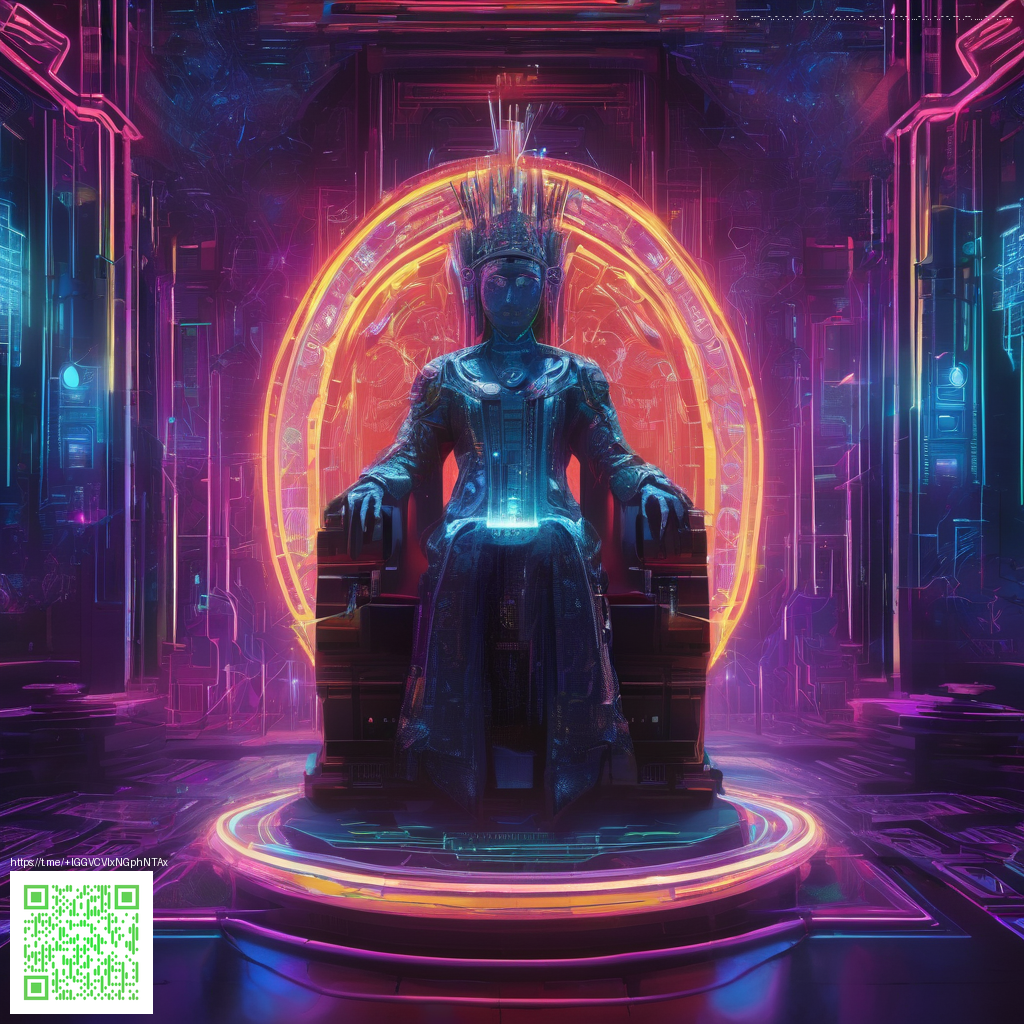
Unreal Engine 5 and the Next Era of Hyper Realistic Graphics
When Unreal Engine 5 landed, it didn’t just push the bar for visuals; it redefined what “real-time” could feel like. The combination of Nanitized geometry (with Nanite) and global illumination (via Lumen) opened doors to environments that are visually stunning yet dynamically responsive. Today, the conversation isn’t solely about higher polygon counts or brighter lights; it’s about sustainable, live-rendered realism that scales from tiny assets to expansive worlds. As we look toward the next era, the trajectory points to a future where hyper-realistic graphics are not a luxury for big studios, but an accessible baseline for a broader range of creators.
From Nanite to a Living World: What Comes Next
Unreal Engine 5 proved that you can render surfaces with a fidelity that once demanded offline pipelines, while maintaining interactivity. The ongoing evolution is moving beyond pure fidelity toward believable behavior and immersive responsiveness. Expect enhancements in real-time ray tracing, smarter material systems, and more robust simulation of natural phenomena—think weather, water, and micro-surface details that respond to virtual camera movement with believable parallax and glare.
Alongside rendering advances, we’re seeing a shift in tooling that accelerates creation. AI-assisted texture generation, automated LOD balancing, and smarter asset streaming reduce the friction that once slowed teams down when scaling scenes. The result isn’t just prettier scenes; it’s faster iteration, more playful exploration, and workflows that empower artists to push the edge of realism without breaking the production budget.
AI, Simulation, and the Human Touch
As engines become more capable, the role of AI in content creation grows. Generative approaches can sketch material textures, populate environments, and even prototype lighting setups. But the human touch remains essential: artistic intent, storytelling, and the nuanced choreography of animation. Unreal Engine 5’s roadmap suggests a future where AI handles repetitive groundwork, leaving creators to refine the timing, mood, and character performance that define a truly hyper-real experience.
It’s worth considering hardware and workflows in tandem with these software advances. Real-time performance depends on a balance between compute, memory bandwidth, and efficient asset management. This is where thoughtful toolchains, cloud rendering options, and cross-platform optimizations come into play. The goal is a cohesive experience where fidelity stays consistent across PC, console, and cloud, without forcing teams into ad-hoc compromises.
For a tangible sense of how design polish translates into everyday devices, consider the Slim Phone Case — Glossy Lexan PC, Ultra-thin, Wireless Charging. It embodies the principle of protecting and presenting premium work without adding bulk. You can explore the product here: Slim Phone Case — Glossy Lexan PC, Ultra-thin, Wireless Charging. The analogy mirrors how developers balance aesthetic fidelity with performance constraints: keep the surface pristine while preserving speed and usability.
Meanwhile, the page that hosts this discussion—https://cryptoacolytes.zero-static.xyz/183cada5.html—offers additional perspectives on the evolving landscape of real-time graphics. It serves as a reference point for readers who want to situate Unreal Engine 5 within broader conversations about gaming, virtual production, and the frontier of immersive media. You can visit it here: https://cryptoacolytes.zero-static.xyz/183cada5.html.
Pipelines and Practices for the Next Era
- Real-time ray tracing and global illumination across diverse environments without prohibitive render times.
- Streaming assets and intelligent level-of-detail management to preserve fidelity at scale.
- Virtual production workflows and LED wall pipelines that bridge on-set planning with in-engine revisions.
- Cross-platform convergence enabling a seamless experience across PC, console, and cloud.
For teams, the practical upshot is a more agile path from concept to final image. Artists can iterate on lighting moods and material details in real time, while engineers optimize data flows to keep frame rates steady. This combination—fidelity without friction—will define how studios and indie crews alike approach ambitious projects in the years ahead.
“The future of hyper-realistic graphics isn’t just more pixels; it’s smarter algorithms delivering believable worlds.”
What Creators Should Do Now
- Invest in flexible asset pipelines that support both high-detail assets and efficient streaming.
- Experiment with hybrid workflows that blend real-time rendering with offline polish where it makes sense.
- Build a foundation for virtual production and cloud rendering to expand accessibility and scalability.
- Keep an eye on hardware trends and AI-assisted tools that accelerate iteration without compromising quality.
As Unreal Engine 5 continues to mature, the line between cinematic realism and interactive experience will blur further. The best projects will leverage a thoughtful balance of cutting-edge tech, human storytelling, and practical production discipline—delivering worlds that feel not only stunning, but alive.