Why AAA horror blockbusters grip audiences so intensely
Big-budget horror franchises have a knack for pulling viewers into a high-stakes world where danger feels tangible and consequences matter. These films don’t rely on shock value alone; they weave a carefully crafted tapestry of atmosphere, character risk, and visceral immediacy that makes every scene feel earned. The best blockbusters in this space balance spectacle with restraint, delivering memorable set pieces while maintaining a steady emotional through-line you can invest in long after the credits roll.
At the heart of this grip is a deliberate pacing philosophy. Instead of drowning audiences in non-stop action, AAA horror often practices quiet, creeping tension that compounds fear as the story unfolds. The slow-burn moments—empty hallways, flickering lights, or a distant creak—are not filler; they prime your senses for the moment when the nightmare becomes undeniable. When the jump scare finally arrives, it lands with maximum impact precisely because the film earned the moment beforehand.
“Horror is less about what you see and more about what you imagine in the dark between moments.”
Pacing, sound, and the language of fear
Sound design in these films isn’t an afterthought; it’s a character in its own right. A single bass note or the echo of a distant scream can redefine a scene’s emotional temperature. The best AAA titles choreograph sound with editing so tightly that silence becomes a tool as scary as any scream. Dialogue is lean, but the subtext is rich—the audience fills in the gaps with fear, and the filmmakers reward that engagement with precise visual storytelling.
- Pacing: deliberate tempo shifts keep viewers alert and attentive, never letting complacency settle in.
- Sound design: texture and space in audio guide the audience’s attention and heighten anticipation.
- Visual rhythm: lighting, color, and camera movement create a recognizable language that signals danger before it’s explicit.
Character investment and psychological realism
Even the most spectacular fright moments land when audiences care about the people on screen. Invested protagonists with clear motivations—survival, redemption, protecting someone they love—make every threat personal. In top-tier productions, the horror isn’t just about monsters or jump scares; it’s about the moral choices characters face under pressure and how those choices reveal their true nature. That moral texture keeps viewers hooked long after the end credits roll.
This is where production design connects to audience perception. When props and gear feel plausible, they ground the fear in a lived-in reality. For example, in contemporary productions that celebrate tactile realism, durable, well-designed consumer gear can become part of the storytelling fabric. If you’re curious to explore gear that blends durability with style, you can discover the Neon Tough Phone Case (Impact-Resistant, Glossy Finish) via this product page: Neon Tough Phone Case (Impact-Resistant, Glossy Finish).
World-building that stretches beyond the screen
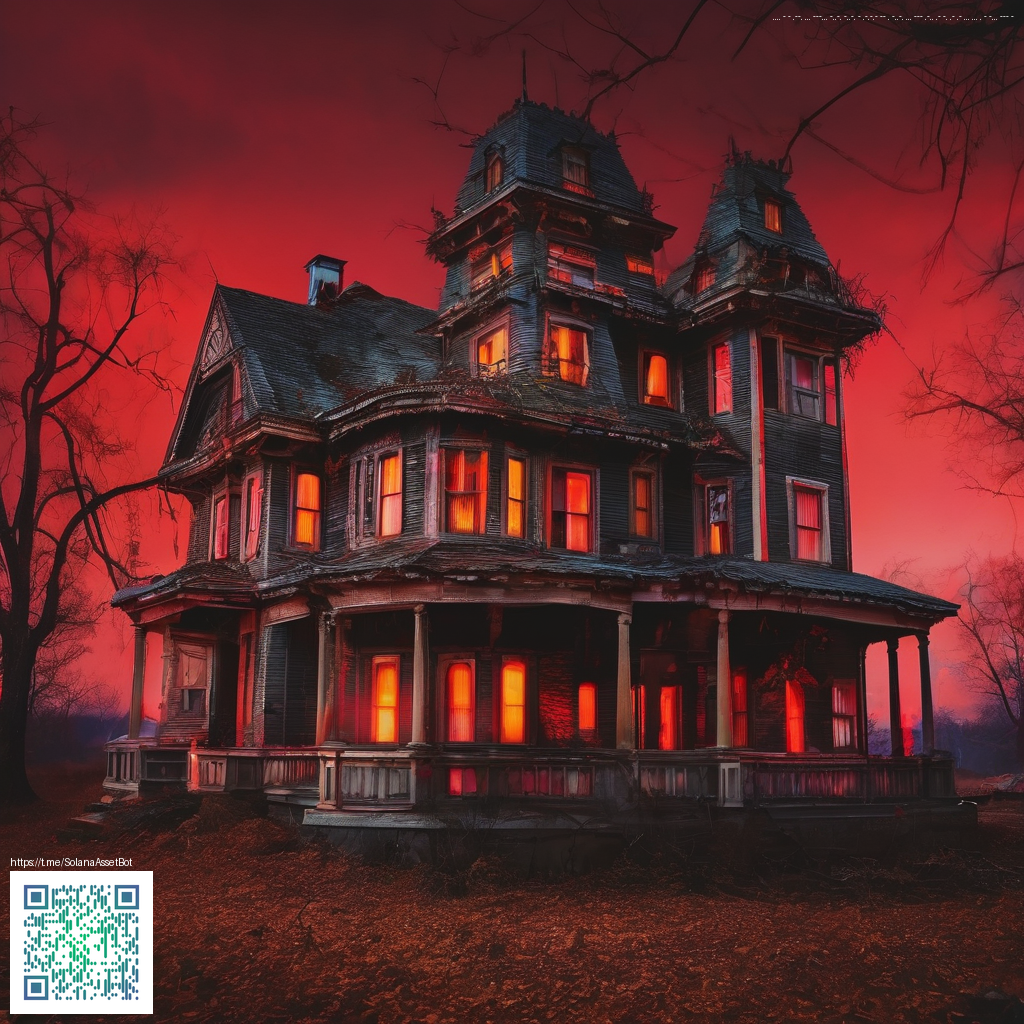
Empire-scale horror also thrives on immersive environments—locations that feel haunted even when the bright lights are on. Production designers choreograph every detail, from architectural lines to environment-sound loops, to create spaces that seem to breathe with danger. When audiences can sense the history of a place—the prior tragedies, the hidden rooms, the secrets beneath the surface—the fear becomes more than a mood; it becomes a story engine that compels continued viewing and discussion. For some readers, exploring related perspectives on these techniques can be insightful; a broader discussion is available here: https://sol-donate.zero-static.xyz/1a5a4a2e.html.
For fans who appreciate how real-world gear and design influence on-screen believability, the connection between everyday objects and cinematic fear can be surprising. The same attention to detail that makes a phone case survive a drop can mirror the film’s approach to resilience—how characters cling to tools, objects, and routines that keep them connected to a fragile sense of safety. It’s a reminder that horror thrives on stakes, specificity, and the stubborn human urge to endure.