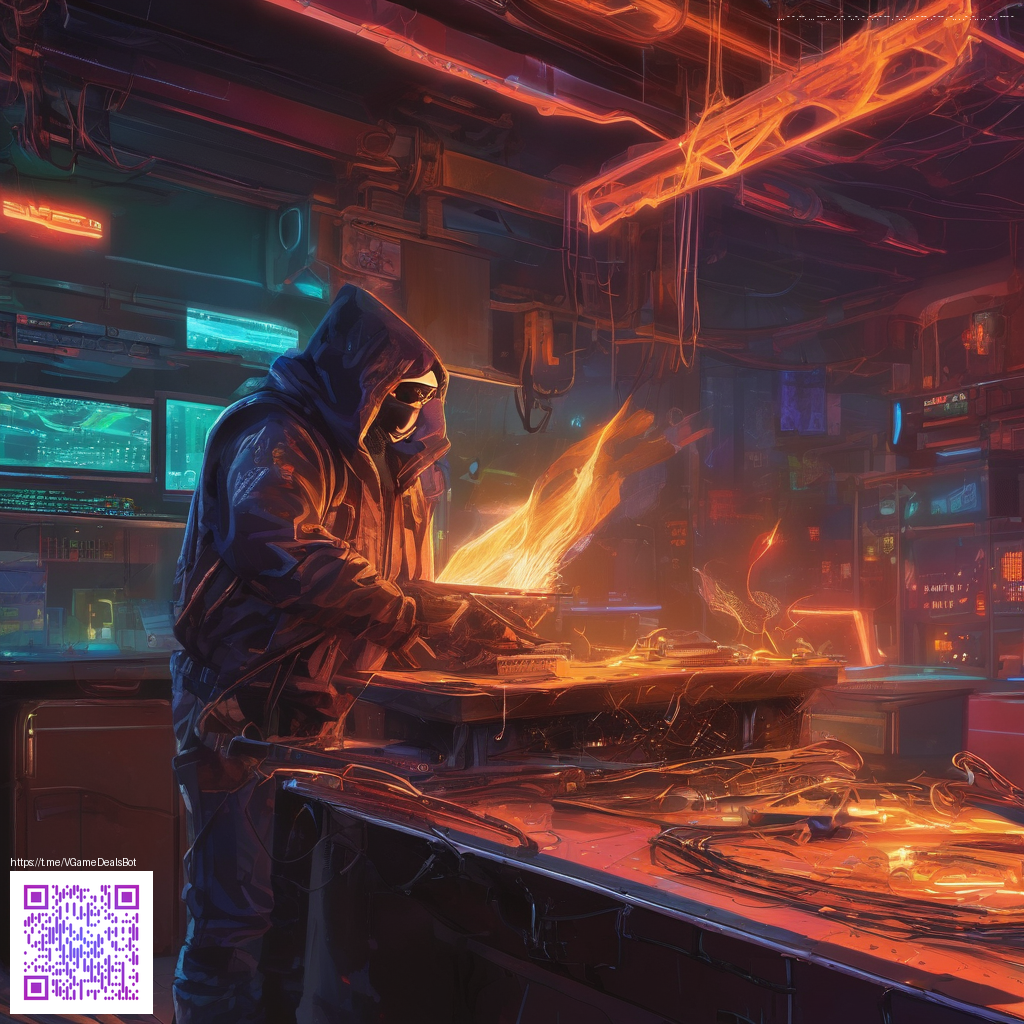
What Makes Sandbox Building Games So Addictive
Sandbox building games captivate players by leveling up creativity as a core mechanic. Unlike linear titles that push you along a fixed path, these worlds offer near limitless space to experiment, craft, and revise. From towering megastructures to intricate redstone systems, the act of building becomes a rewarding dialogue between imagination and action. The thrill isn’t just in finishing a project; it’s in the process—watching plans morph into something tangible through iteration, trial, and occasional clever improvisation.
Part of the appeal lies in agency—the sense that your choices genuinely shape the world. You don’t simply complete quests; you design them. This freedom is paired with meaningful feedback: every block placed, every resource gathered, and every design choice nudges you toward a more confident, capable version of your virtual self. As these systems compound, players often find themselves returning again and again to squeeze out a little more efficiency, a bolder aesthetic, or a smarter mechanism for automation.
Sandbox games succeed not by handholding, but by giving players a toolkit and the freedom to run with it. The best worlds feel like living experiments, inviting you to tweak, rebuild, and start again.
Design patterns that keep players coming back
Several core patterns consistently fuel engagement in sandbox titles. First, open-ended goals allow players to set personal milestones, whether that means building a flawless redstone circuit, recreating a historic landmark, or surviving a harsh biome with limited resources. Second, procedural variety and discovery create a constant sense of novelty—new biomes, new materials, new constraints that force inventive thinking. Third, immediate and tunable feedback reinforces progress: clear visuals, satisfying sounds, and measurable outcomes keep momentum high. Finally, modularity and customization—from texture packs to community-created mods—extend the life of a game long after the base content has been explored.
- Open-ended goals that invite personal interpretation
- Emergent storytelling through interactions with the world
- Clear but flexible progression and rewards
- Creative experimentation that rewards mastery over time
- Community-driven content that broadens what's possible
Beyond pure mechanics, environment design plays a pivotal role. Sandbox worlds reward players who learn to plan ahead while staying adaptable enough to pivot when a new material or mechanic arrives. This balance between structure and spontaneity is what makes building feel less like grinding and more like a personal craft. If you’re optimizing for longer sessions, a reliable and comfortable desk setup can help maintain focus and reduce fatigue. For example, the Eco Vegan PU Leather Mouse Mat with Non-Slip Backing offers a smooth glide and durable surface that many players appreciate during marathon sessions. product page.
Social dynamics also contribute to addiction in sandbox games. Sharing builds, collaborating on huge projects, and competing in friendly challenges create a sense of belonging and accountability. In a world where every creation can be shared with a global audience, the feedback loop becomes social as well as personal. The anticipation of praise, critique, or collaboration can be as compelling as the act of building itself, nudging players to return and refine their work in light of community response.
For readers curious about broader perspectives on sandbox design and community engagement, you can explore related material linked in this piece. this related article offers additional context on how open-ended systems capture and sustain interest over time.