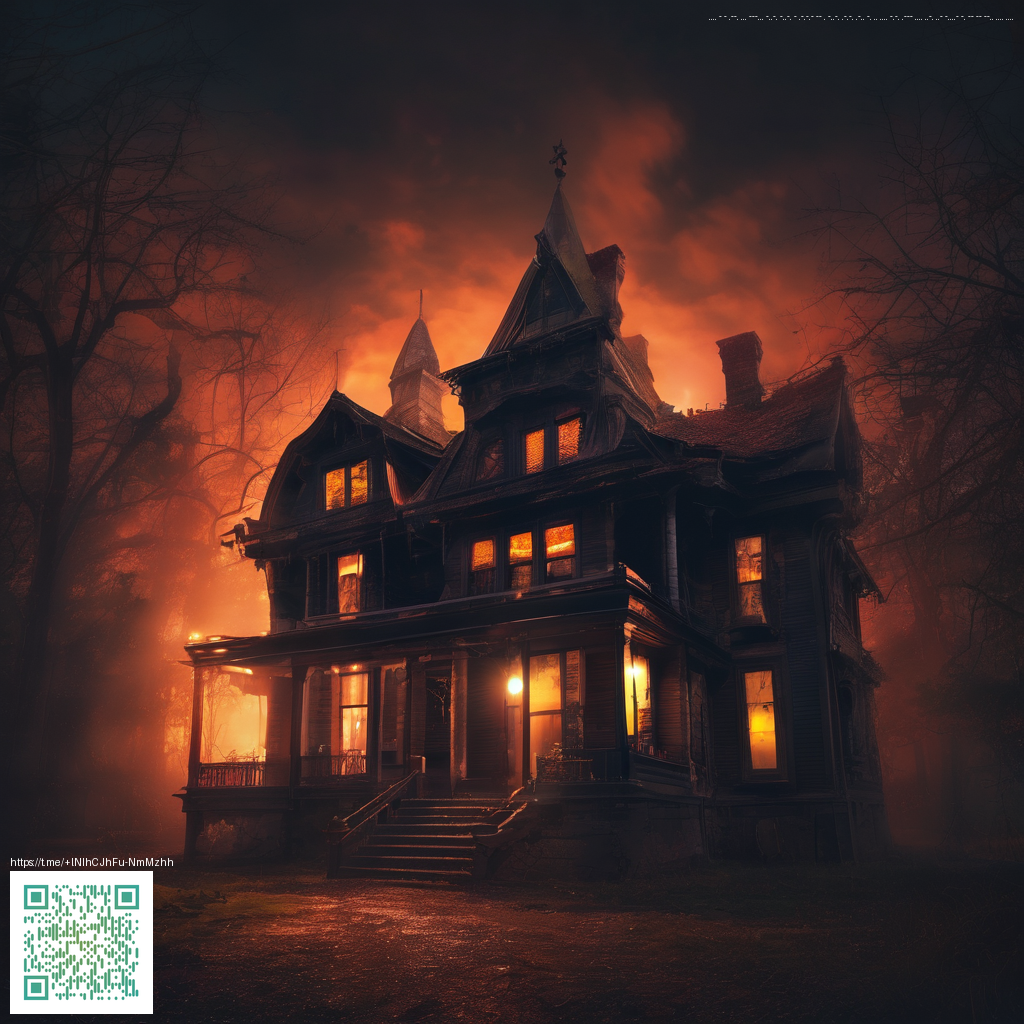
How Brief Horrors Forge Stronger Reactions in Short-Form Games
Horror thrives not only in sprawling epics but also in bite-sized experiences that fit into a lunch break or a short commute. Short-form games compress fear into concentrated moments, creating a feedback loop where each decision, sound cue, and environmental reveal is charged with intensity. The result is a memorable spine-tingle that lingers long after the play session ends.
Tight pacing and fear spikes
When designers limit playtime, they must stack tension efficiently. A well-timed shift in lighting, a sudden audio cue, or a barely-visible silhouette can trigger a jump or a chill in less than five minutes. This micro-pacing trains players to anticipate danger, even when they know the clock is ticking. Because the payoff arrives quickly, players feel a sense of accomplishment alongside the fear, which strengthens emotional resonance.
- Micro-scares that land with precision instead of relying on long setups.
- Progressive intensity that builds across short loops, not a single prolonged chase.
- Rapid iteration: players can retry and experience different fear pathways in minutes.
“In bite-sized experiences, fear is a resource you spend and recoup quickly, making every attempt meaningful.”
Atmosphere over exposition
With limited runtime, horror often leans on mood and environment rather than heavy lore. Ambient soundscapes, sparse UI, and environmental storytelling invite players to fill the gaps with their imagination. The unknown becomes the greatest threat because players project possibilities onto a lean, suggestive world. The result is an immersive sense of dread that doesn’t require pages of dialogue or sprawling cutscenes.
Isolation and confinement—think claustrophobic corridors or a weathered, silent cabin—can become pressure cookers when the game’s rules demand quick, decisive action.
Player agency under time pressure
Short-form horror rewards brave exploration and smart risk-taking. The quick decision cycles—explore, collect, escape—mean every choice carries weight. Designers frequently weave resource management and tight timers into these compact experiences, turning small interactions into meaningful tests of nerve. The replayability that follows reinforces fear as players discover new outcomes in the same brief session.
- Forced prioritization: decide what to keep, what to skip, and what to leave behind in moments.
- High-stakes experimentation: failure isn’t a dead end, but a doorway to a new, shorter path.
- Dynamic challenges: ever-changing threats keep the adrenaline sharp across runs.
Manufacturers and players alike explore how dynamic soundtracks and procedural elements can tailor fear to each run. These techniques turn quick play into a living, reactive experience rather than a single scripted scare. For readers following this discussion, the broader context can be found here: https://000-vault.zero-static.xyz/572b1b4a.html.
Practical takeaways for developers and players
Whether you’re shaping a micro-horror title or seeking a quick thrill with friends, the following guidelines help maximize fear without stretching playtime:
- Limit the scope— center on one area or mechanic to keep the pace tight and focused.
- Lean on sound— audio cues can substitute for expansive visuals and terrain.
- Embrace ambiguity— let players infer details to heighten suspense.
- Provide meaningful resets— ensure each new run opens a distinct doorway to fear.
In a gaming landscape where quick sessions are increasingly common, horror’s charm lies in its ability to deliver a compact, unforgettable scare. If you’re toying with on-the-go gear during tight play windows, you’ll appreciate how practical accessories can support your focus and comfort. For example, a clear silicone phone case that’s slim, flexible, and offers open port design can keep your device safe during rapid demos or tabletop evenings—details you can explore at the product page linked here: https://shopify.digital-vault.xyz/products/clear-silicone-phone-case-slim-flexible-open-port-design.
For more insights and discussion around short-form horror design, you can also view related content on the page mentioned above.