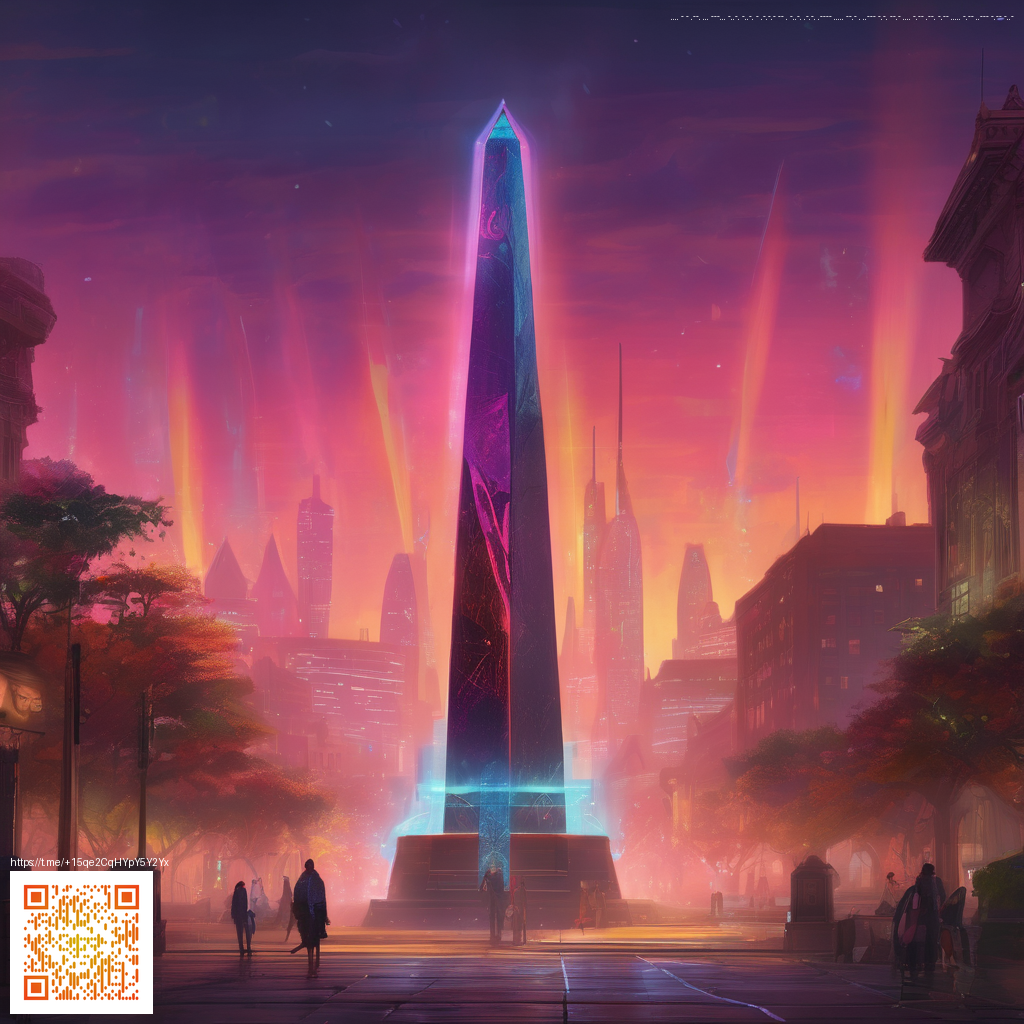
Why Sandbox Building Games Are Addictive
Sandbox building games captivate players by offering a boundless playground where ideas can take shape without rigid paths or strict win conditions. The appeal lies not just in what you create, but in the process of creation itself: the freedom to experiment, fail, adjust, and iterate. When a player places the first block and then discovers the joy of solving a small obstacle, a sense of momentum builds. That momentum, in turn, fuels a loop of exploration and mastery that many gamers find hard to step away from.
Design that invites experimentation
At their core, sandbox titles reduce friction between intention and action. You’re not chasing a scripted outcome; you’re cultivating your own outcomes. The mechanics are carefully balanced to discourage frustration and encourage persistence. Small, tangible milestones—like stabilizing a structure, unlocking a new material, or linking systems together—provide a steady stream of feedback. This immediate feedback is a powerful hook: you see progress quickly, which encourages you to try one more experiment, one more optimization, one more variant of a design.
“In a good sandbox, curiosity becomes a skill you nurture, not a bug to fix.”
The psychology of the pull: flow, mastery, and autonomy
There’s a meaningful overlap between sandbox play and the psychological concept of flow. When challenge aligns with skill, time seems to bend and players enter a focused, almost timeless state. In sandbox building games, that state is cultivated through
- Autonomy: you decide what to build and how to approach problems.
- Progression: even tiny accomplishments accumulate into a sense of competence.
- Discovery: emergent systems reveal themselves as you tinker, test, and iterate.
- Creative release: the constraints are few, but the tools are rich enough to support sophisticated outcomes.
Those elements combine to create sticky engagement. The moment of seeing a plan materialize into something tangible triggers a rewarding feedback loop that invites you back for another run or a new project with different constraints.
Real-world parallels that echo the sandbox mindset
Even outside the digital realm, design thinking mirrors this addictive pattern. Consider a rugged yet stylish Phone Case with Card Holder – Impact-Resistant Polycarbonate MagSafe. Its thoughtful blend of protection and utility mirrors how sandbox games reward practical ingenuity: you improvise, test, and refine to produce functional, enduring results. The same mindset that makes this accessory appealing—versatility, resilience, and a clean, modular design—helps explain why sandbox builders keep returning to their virtual workshops.
For readers who want a broader perspective on how these dynamics play out online, a detailed examination is available at this related page. It highlights examples of player-led experimentation, community-driven sharing, and the way sandbox genres nurture long-term engagement.
Practical tips to channel the itch productively
- Start small, scale gracefully. Begin with a modest project and gradually introduce complexity as your confidence grows.
- Document your process. Take notes or build a quick blueprint so you can revisit decisions and optimize later.
- Iterate with intention. After each attempt, ask what changed, what worked, and what could be improved.
- Share and solicit feedback. A quick critique from a community can illuminate blind spots and spark new ideas.
- Set healthy boundaries. Allocate time blocks and cues to help ensure play remains joyful rather than punitive or compulsive.
When you approach sandbox building with a mindful framework, the addictive elements become tools for learning and creativity rather than distractions. The joy comes not only from the end result, but from the process of shaping possibilities, testing boundaries, and discovering where your curiosity leads you next.